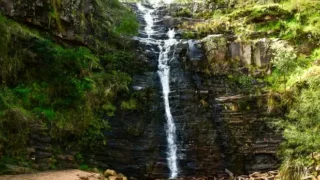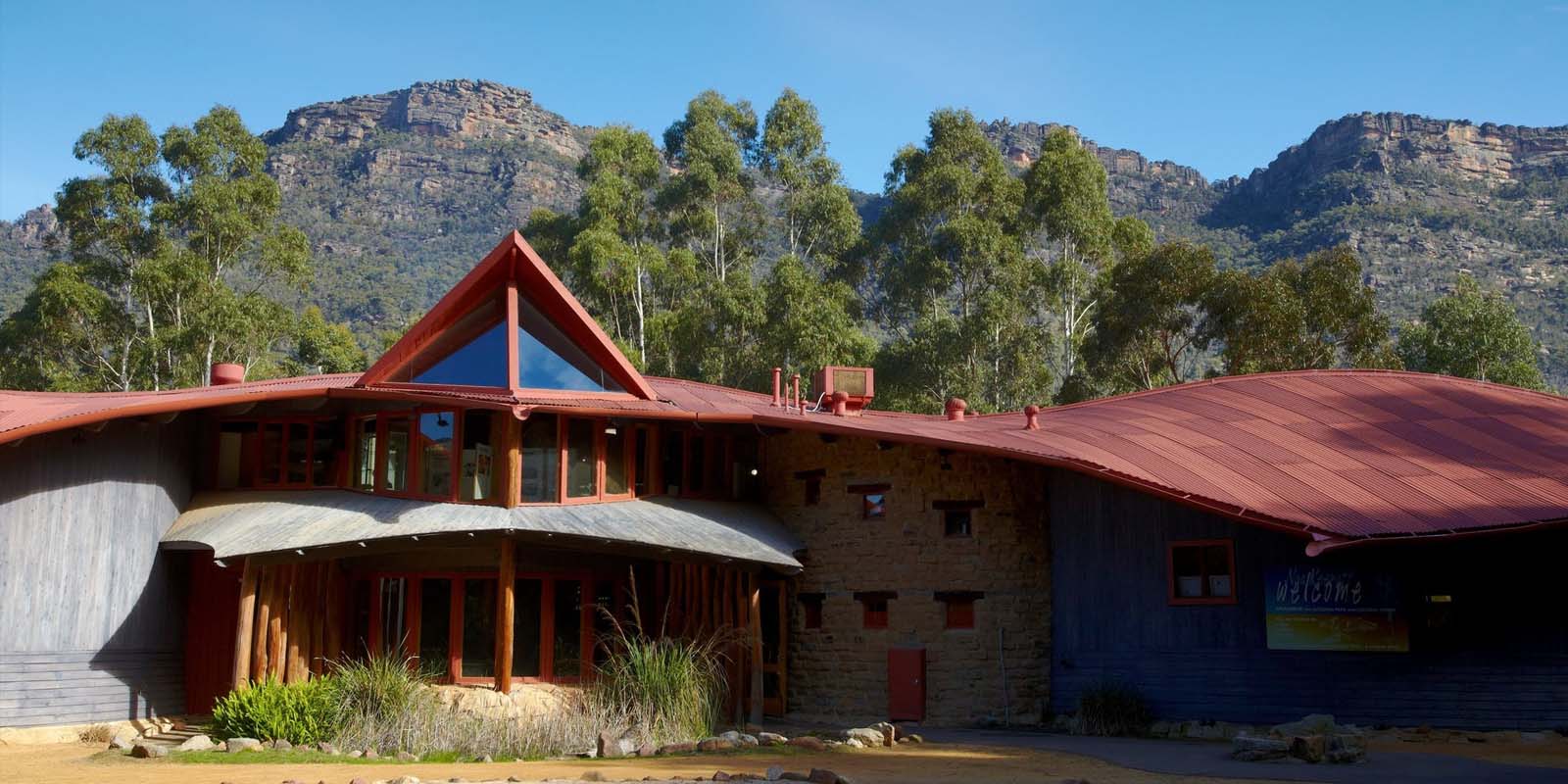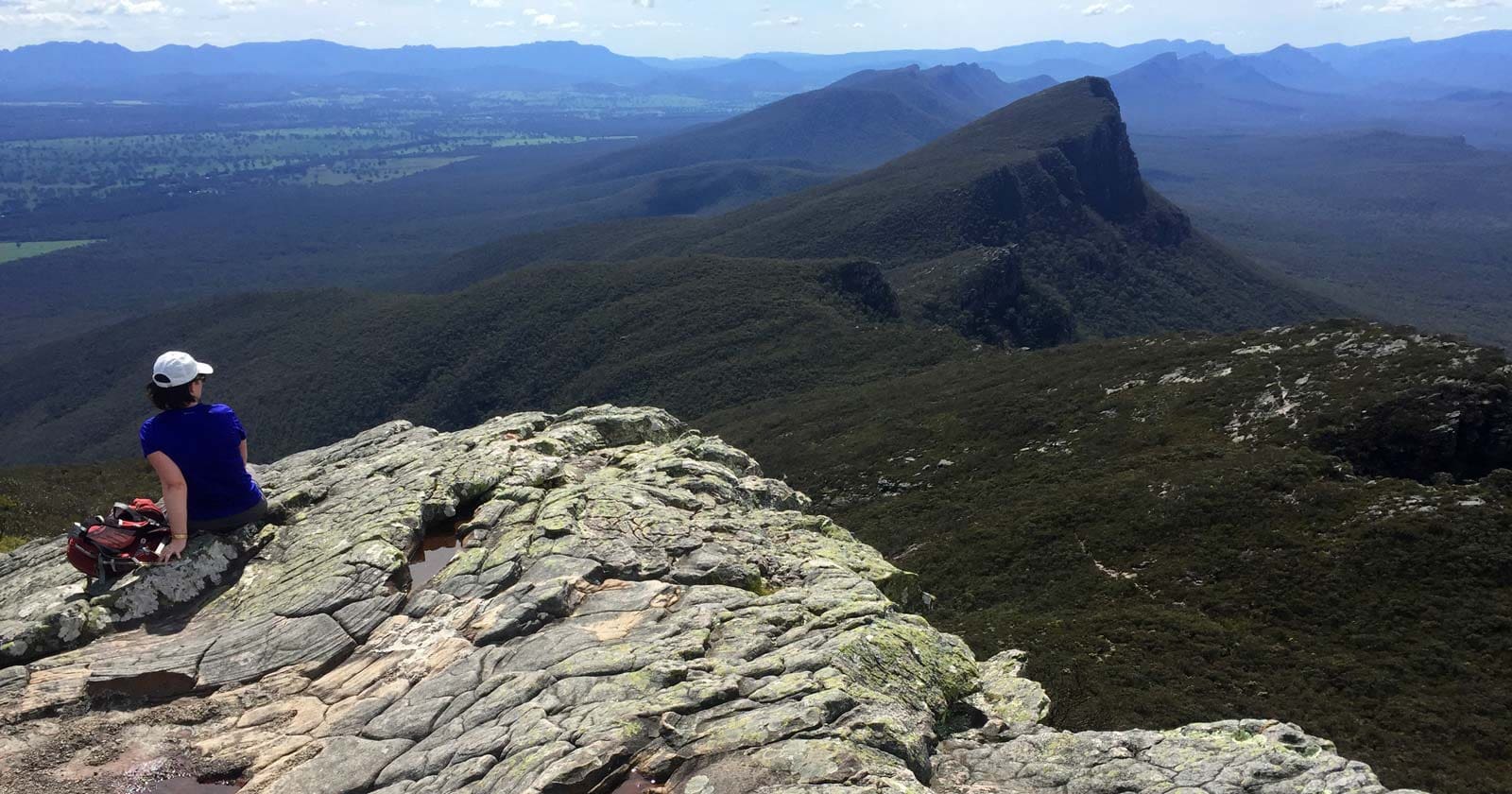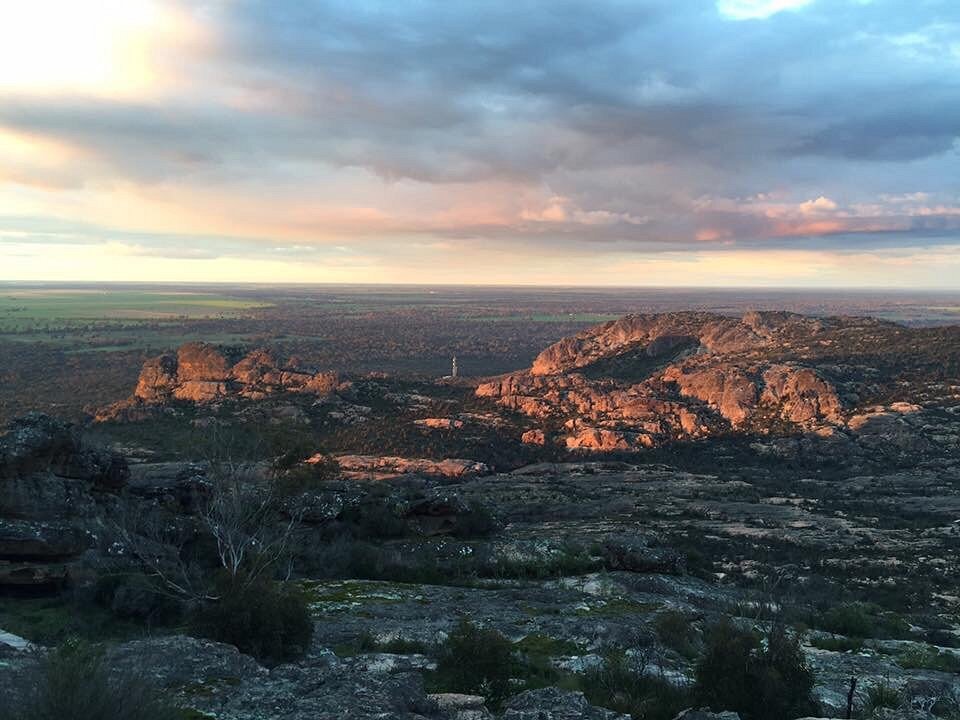
Hollow Mountain, an intriguing geological formation located in the heart of the Great Dividing Range in Australia, captivates geologists and adventure enthusiasts alike. This natural wonder is characterized by its unique limestone caves, spectacular cliffs, and breathtaking views, making it a noteworthy subject of exploration. Renowned for its rich biodiversity, distinctive karst landscapes, and the interplay of various geological processes, Hollow Mountain provides an unparalleled opportunity to understand Earth’s dynamic systems. In this article, we will delve into the geological features of Hollow Mountain, uncovering its formation, ecological significance, and attractions for visitors.

Contents
Geological Formation of Hollow Mountain
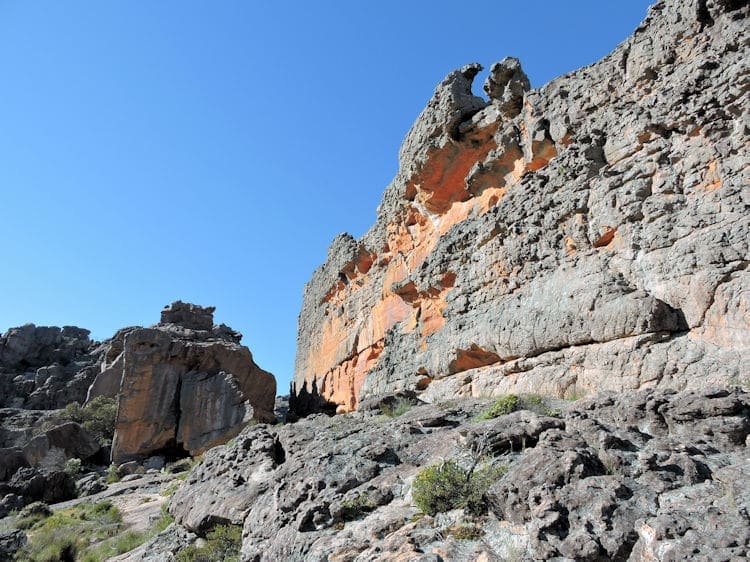
The geological history of Hollow Mountain dates back millions of years, shaped by the remarkable processes of erosion, sedimentation, and tectonic activity. The mountain primarily consists of limestone, formed from the accumulation of marine organisms’ shells over vast periods. As tectonic plates shifted and the land was uplifted, rainwater began to dissolve the limestone, leading to the development of various geological features such as sinkholes, pinnacles, and rugged cliffs. Continuous erosion from wind and water contributes to the mountain’s ongoing transformation, making it a dynamic site for geological study.
One of the most prominent features within Hollow Mountain is its extensive cave system. These caves, enriched with stalactites and stalagmites, highlight the fascinating processes of mineral deposition and carbonic acid weathering. The intricate formations tell a story of the past climatic conditions and biological activity, providing a snapshot into Earth’s history. Researchers often explore these caves to gain insights into prehistoric ecosystems and the environmental changes that have occurred over time.

Moreover, Hollow Mountain serves as a classic example of karst topography. This term refers to landscapes shaped by the dissolution of soluble rocks, creating unique surface features. The interplay of underground water systems and surface depressions creates a network that supports diverse ecosystems, positioning Hollow Mountain as an environmentally significant region. Ultimately, its geological formation represents a remarkable intersection of natural history, chemistry, and biology.
Ecological Significance of Hollow Mountain
Hollow Mountain is not only a geological marvel but also a vital ecological zone populated by a variety of flora and fauna. The microclimates within the mountain’s caves and surrounding areas create habitats that support diverse species, many of which are endemic to this unique environment. The interplay between the moist cave ecosystems and the surrounding arid zones fosters a distinct biodiversity that attracts biologists and ecologists alike.
Species such as bats, reptiles, and a variety of insects thrive in the caves, relying on the unique conditions for survival. The vegetation outside the caves, including shrubs and diverse tree species, contributes to the overall ecosystem by providing food and shelter for numerous animals. Observing these interactions can help researchers understand ecosystem dynamics and the impact of climate change on local biodiversity.
In addition to wildlife, Hollow Mountain’s ecosystem plays a critical role in carbon cycling, nutrient dispersion, and soil formation. These processes benefit surrounding areas, highlighting the importance of preserving such environments. Conservation efforts in Hollow Mountain not only aim to protect these ecosystems but also provide opportunities for sustainable tourism and education regarding the importance of geological and ecological integrity.
Attractions for Visitors
For those intrigued by its geological wonders, Hollow Mountain offers an array of activities and attractions to experience the landscape up close. Visitors can embark on guided tours through the extensive cave systems, where they can witness the grandeur of geological formations and learn about their historical and ecological significance. These tours often provide educational insights into the processes that shaped the landscape, making them a popular choice for school groups and nature enthusiasts.
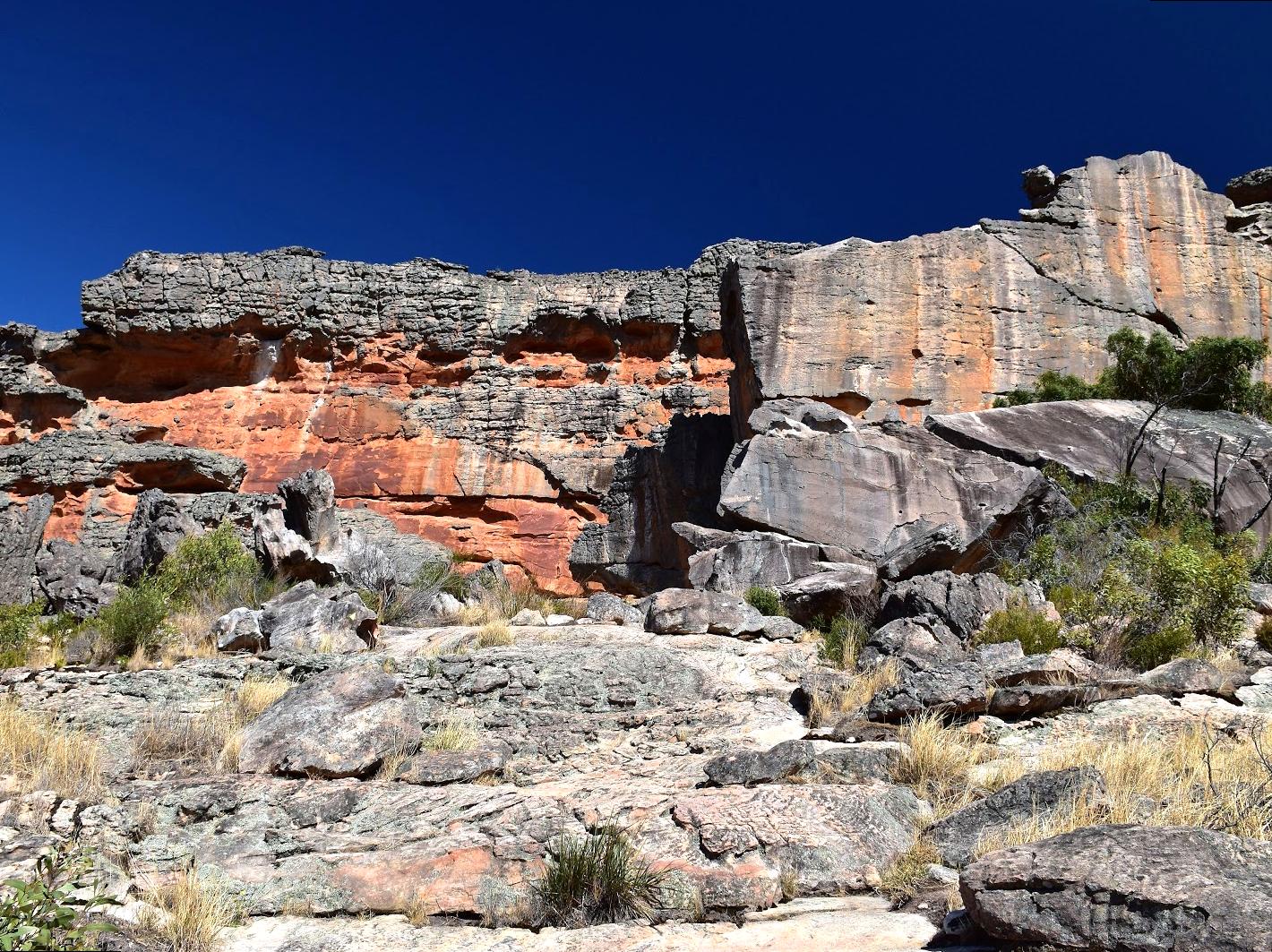
In addition to cave explorations, hiking trails surround Hollow Mountain, leading to breathtaking viewpoints that overlook the Great Dividing Range. Adventurers can relish the stunning vistas while witnessing a variety of wildlife in their natural habitats. Certain paths cater to both casual hikers and more experienced trekkers, ensuring a diverse range of outdoor experiences.
The area is also perfect for photography, as the interplay of light and shadow in the caves offers unique opportunities for stunning landscape shots. Birdwatching attracts many nature lovers, and the rich variety of flora adds to the area’s allure. Visitors should also take heed of local conservation guidelines to ensure the sustainability of this precious geological treasure.
Challenges and Conservation Efforts
While Hollow Mountain is a magnificent natural wonder, it faces several environmental challenges that threaten its integrity. Climate change poses risks through increased rainfall and rising temperatures, which can alter the delicate balance of the ecosystems within and around the mountain. Furthermore, human activities such as tourism, mining, and agriculture have the potential to disrupt the fragile habitats, leading to habitat degradation and loss of biodiversity.
Recognizing the importance of this geological site, conservation organizations have initiated various efforts to protect Hollow Mountain. These initiatives include habitat restoration, stricter regulations on recreational activities, and educational programs aimed at fostering a deeper understanding of the area’s ecological significance. Collaborations between local communities, government agencies, and environmentalists are essential to ensure that these efforts are sustainable and effective.
Public awareness campaigns are also crucial in promoting responsible tourism, helping visitors understand their impact on the environment. By encouraging eco-friendly practices and respecting wildlife, tourists can play an active role in preserving the beauty of Hollow Mountain for generations to come. It is vital that all stakeholders work together to protect this natural wonder and maintain its geological and ecological integrity.
Conclusion
In conclusion, Hollow Mountain stands as a testament to the Earth’s geological history and ecological diversity. Its unique formations, rich biodiversity, and extensive cave systems make it a captivating site for both study and exploration. However, the mountain’s ecological balance is delicate, facing challenges from climate change and human activity. Through conservation efforts and responsible tourism, we can ensure that Hollow Mountain is preserved for future generations, continuing to inspire wonder and knowledge. This remarkable natural phenomenon illustrates not only the power of geological processes but also the interconnectedness of life and the environment.
FAQs
1. Where is Hollow Mountain located?
Hollow Mountain is situated in the Great Dividing Range in Australia, specifically in the region of Victoria.
2. What are the main geological features of Hollow Mountain?
The main geological features of Hollow Mountain include limestone caves, rugged cliffs, sinkholes, and unique karst topography.
3. Can visitors explore the caves in Hollow Mountain?
Yes, visitors can participate in guided tours of the caves, which showcase the stunning geological formations and educate visitors about their significance.
4. What types of wildlife can be found in Hollow Mountain?
Hollow Mountain is home to a variety of species, including bats, reptiles, birds, and numerous endemic plants that thrive in its unique ecosystems.
5. How are conservation efforts being implemented in Hollow Mountain?
Conservation efforts include habitat restoration, stricter regulations on tourism, and educational campaigns aimed at raising awareness about the ecological importance of Hollow Mountain.